
- Llámanos : +86-15060765919
- Envíenos un correo electrónico : bella@fespower.cn
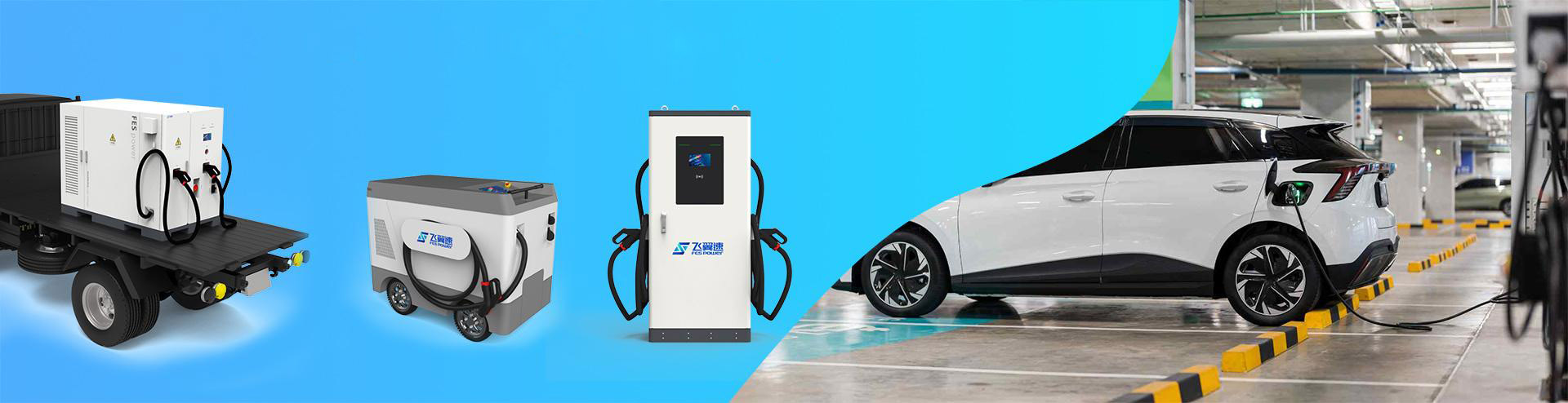
A medida que la adopción de vehículos eléctricos continúa acelerándose en todo el mundo, la carga comercial de vehículos eléctricos ha pasado de ser un lujo a una inversión estratégica en infraestructura. Operadores de aparcamientos, centros comerciales, edificios de oficinas, hoteles y parques industriales exploran cada vez más la implementación de la carga. Sin embargo, instalar cargadores comerciales de vehículos eléctricos es mucho más complejo que simplemente comprar equipos y conectar la energía.
Una preparación previa adecuada es fundamental para garantizar la confiabilidad, el cumplimiento y la rentabilidad a largo plazo.

📍¿Su sitio es realmente adecuado para la carga de vehículos eléctricos comerciales?
El primer paso en cualquier proyecto de carga comercial es una evaluación realista del emplazamiento. Las consideraciones clave incluyen la cantidad de plazas de aparcamiento, el flujo de tráfico, la duración media del aparcamiento y el potencial de expansión futura. Por ejemplo, los comercios y los edificios de oficinas suelen beneficiarse de cargadores de CA o de CC de media potencia, mientras que las cocheras, los centros logísticos y las áreas de servicio de carreteras requieren soluciones de carga rápida o ultrarrápida de CC de alta potencia.
El acceso libre de vehículos, el tendido seguro de cables y el espacio adecuado para los equipos eléctricos también son esenciales para cumplir con los estándares operativos y de seguridad.
🔌¿Puede su infraestructura eléctrica soportar la demanda de carga?
La disponibilidad de energía es uno de los factores más decisivos en la carga comercial de vehículos eléctricos. Antes de la instalación, los operadores deben evaluar la capacidad del transformador, los niveles de carga existentes y la estabilidad de la red. En muchos casos, puede ser necesario actualizar la red o ampliar el transformador, especialmente para aplicaciones de carga rápida de CC.
Soluciones modulares, como Sistemas de carga de CC de FES PowerPermiten escalar gradualmente la capacidad energética. Este enfoque ayuda a reducir la presión de la inversión inicial, a la vez que preserva la flexibilidad para el crecimiento futuro, lo que lo hace especialmente adecuado para proyectos de carga comerciales y semipúblicos.
¿Está familiarizado con las regulaciones locales y los procesos de aprobación?
La instalación de cargadores comerciales para vehículos eléctricos suele implicar múltiples trámites regulatorios, como la coordinación con las compañías eléctricas, la aprobación de la conexión a la red eléctrica, los permisos de construcción y las inspecciones de seguridad contra incendios. Estos requisitos varían considerablemente según el país y la región, y una preparación insuficiente puede ocasionar retrasos costosos.
Contratar proveedores de soluciones de carga experimentados en las primeras etapas de la fase de planificación puede ayudar a alinear los diseños técnicos con las expectativas regulatorias, lo que garantiza aprobaciones más fluidas y una ejecución más rápida del proyecto.
¿Has definido un modelo de negocio y de ingresos claro?
Los ingresos por la carga comercial de vehículos eléctricos van más allá de la venta de electricidad. Los modelos comunes incluyen tarifas por servicio de carga, programas de membresía, contratos de flota e incluso servicios de valor añadido como publicidad o integración de datos. El modelo de negocio óptimo depende en gran medida del nivel de potencia del cargador, el comportamiento del usuario y el tipo de ubicación.
Con una cartera integral que abarca desde cargadores de CA hasta gabinetes de carga de CC de alta potencia y centros de carga, FES Power Permite a los operadores adaptar la implementación de infraestructura a escenarios comerciales específicos, equilibrando el gasto de capital y el retorno de la inversión.

¿Está seleccionando equipos diseñados para funcionar a largo plazo?
Los cargadores comerciales de vehículos eléctricos son activos de alta utilización que deben funcionar de forma fiable en diversas condiciones ambientales. La calidad de los equipos, la compatibilidad de protocolos, la gestión inteligente de la carga y la capacidad de monitorización remota son esenciales para minimizar el tiempo de inactividad y los costes de mantenimiento.
Elegir cargadores compatibles con múltiples estándares, que ofrezcan diagnóstico en tiempo real y permitan una gestión centralizada puede mejorar significativamente la eficiencia operativa. Contar con fabricantes fiables con experiencia demostrada en el sector y un servicio posventa profesional es crucial para el éxito a largo plazo.
¿Ha considerado la escalabilidad y la preparación para el futuro?
La tecnología de vehículos eléctricos y la demanda de carga siguen evolucionando rápidamente. Un punto de carga bien diseñado debería permitir futuras actualizaciones de potencia, puntos de carga adicionales y mejoras de software sin necesidad de reemplazar el sistema completo.
Las arquitecturas flexibles, como los gabinetes de energía distribuidos y la asignación dinámica de energía, ayudan a los operadores a adaptarse a la creciente adopción de vehículos eléctricos y al mismo tiempo protegen su inversión inicial.
✅Conclusión: La preparación determina el éxito de la carga comercial de vehículos eléctricos
La instalación de cargadores comerciales para vehículos eléctricos es una decisión estratégica de infraestructura, no una tarea a corto plazo. Una preparación exhaustiva —que abarca la evaluación del sitio, la capacidad energética, el cumplimiento normativo, el modelo de negocio y la selección de equipos— sienta las bases para una operación estable y una rentabilidad sostenible.
Al asociarse con proveedores de soluciones experimentados como FES Power, los operadores comerciales pueden implementar una infraestructura de carga confiable, escalable y preparada para el futuro que respalde las necesidades actuales y el crecimiento futuro de la movilidad eléctrica.



 Red IPv6 compatible